
Our Story
Three threads behind every bottle.
Tuak Madis isn't a brand wrapped around a recipe — it's a recipe wrapped around a place, a craft, and a reason to gather. Read what makes this tuak this tuak.
Thread one — terroir
The yeast does not travel. So we don't move.
Tuak Madis's distinctness doesn't start with the water. We brew with filtered water on purpose — a clean, neutral base, so every batch begins identical and nothing the recipe didn't intend ever reaches the bottle. What makes a tuak taste of somewhere isn't what's poured in. It's what's alive in it.
That living thing is the yeast, and ours is inherited, not bought. We keep and grow our own ragi at our yeast house in Kampung Beratok — a secret recipe of 18 ingredients, perfected and passed down across generations into a single living strain, handed from batch to batch rather than restarted from a packet. The village has a yeast ecosystem unlike Kuching, unlike Sibu, unlike anywhere outside Borneo; our ragi lives and breathes in this air. You cannot ship that, so we don't try — we cultivate it at the source.

Thread two — heritage craft
Old recipe. New roof.
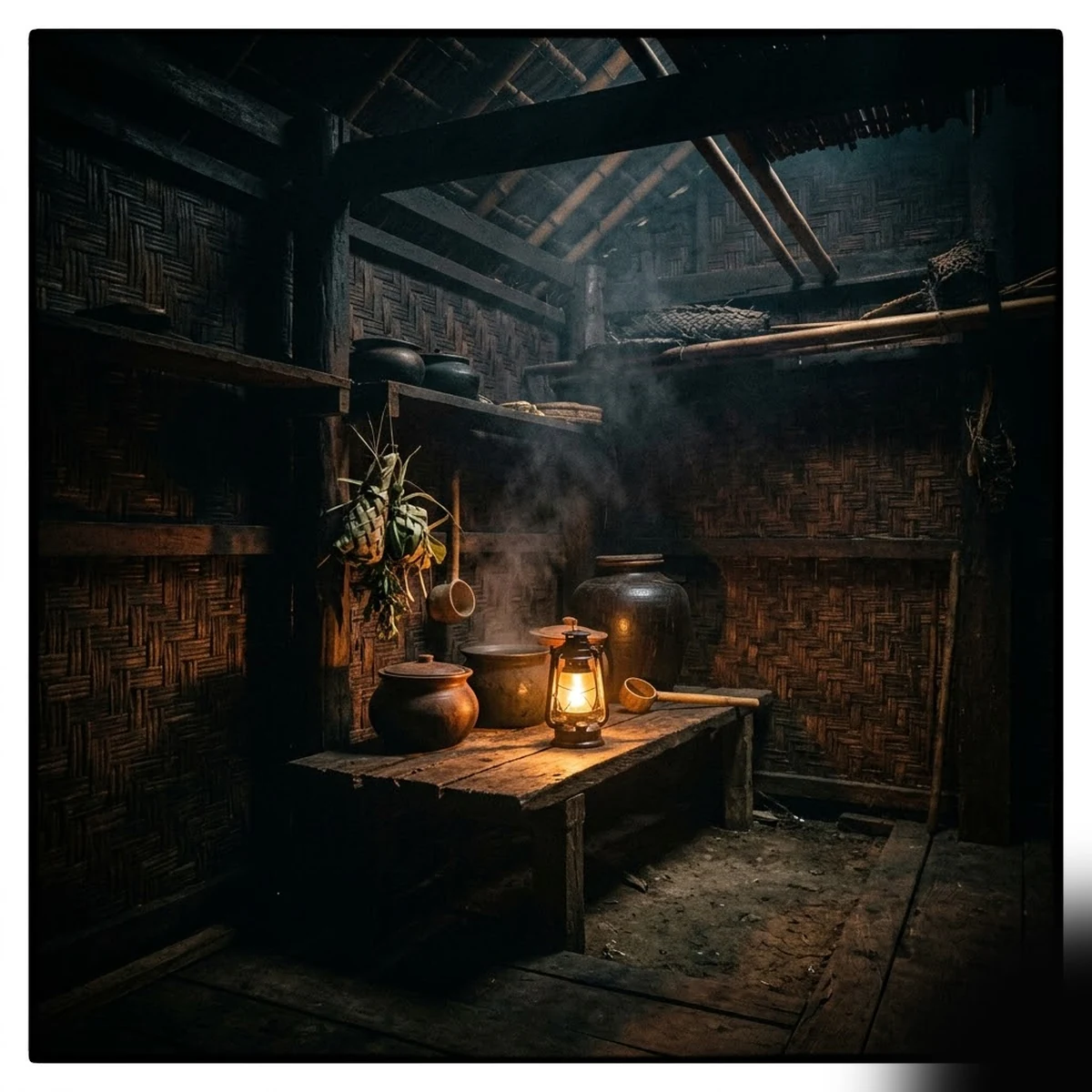
Recipe and technique are not improvised. The recipe has been handed down across generations of Iban and Bidayuh brewers — we are not inventing tuak, we are continuing it. The aging process is not rushed. Modern alcohol producers compress time with enzymes, heat, and pressure. We do not. The bottle you receive has waited the time the recipe asks for.
Traditional method is preserved — but the environment is controlled. Temperature- and humidity-regulated fermentation rooms protect the brew from the tropical swings that ruin small-batch alcohol. This is the only modern intervention. Everything else is the way it was done.
Thread three — Gawai
Brewed when the harvest came in. Bottled so it never leaves.
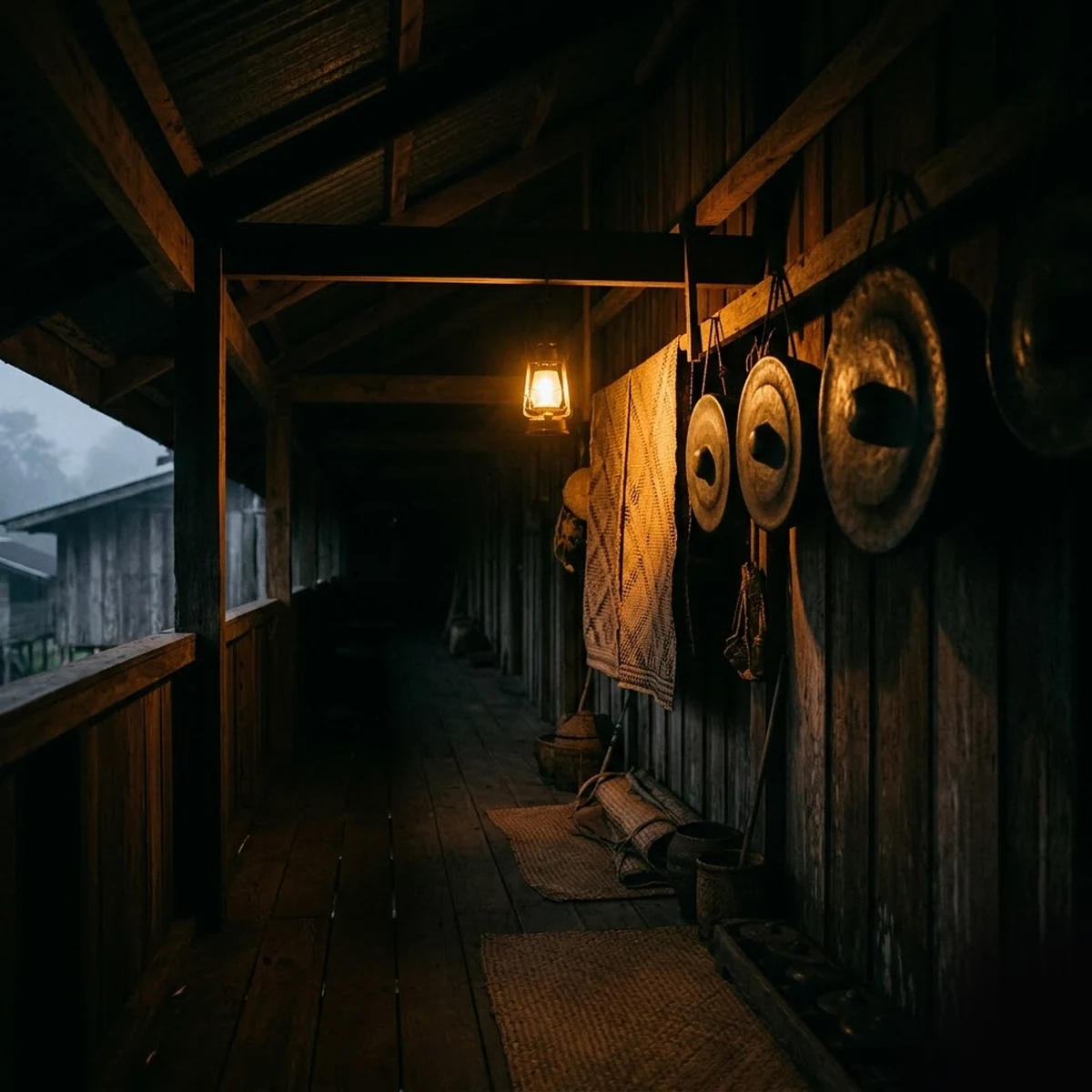
Gawai Dayak — the Iban and Bidayuh harvest festival celebrated annually on 1 June — is the spiritual home of tuak. Brewing began weeks before the festival; the wine had to be ready when the rice came in. Tuak marks the moment the harvest is safe. It is the liquid form of the relief that the rains came, the pests didn't, and the rice survived.
Tuak is shared, not drunk alone. At longhouse Gawai, the host carries the bottle and pours into small cups that travel hand to hand around the gallery. When you open a Tuak Madis bottle, you are — knowingly or not — performing a small replica of that ceremony. The brand exists to make sure you know.
Tuak, travelling
The yeast stays home. The tuak travels.
We cultivate our ragi in Kampung Beratok because it can't be shipped — but the bottle can. Here it is being poured and shared in Canada, half a world from the village air it was born in. Small cups, passed hand to hand, exactly the way tuak has always been drunk.
Tuak Madis, poured in Canada
Where to go next